

WATER, ELECTROLYTES AND RECOVERY
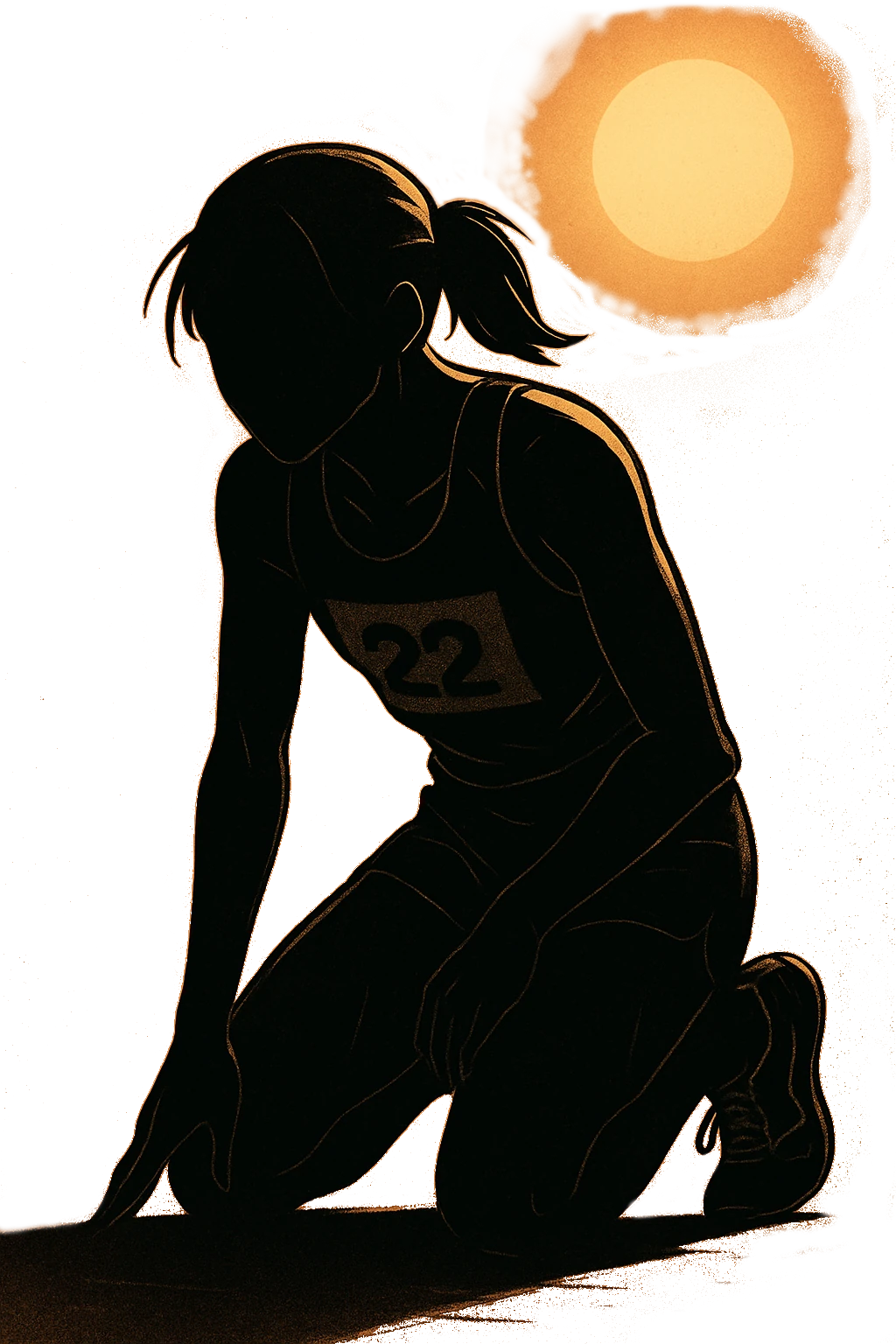
In 2004, in Athens, Paula Radcliffe , The reigning world champion and favorite in the Olympic marathon collapses by the side of the road .
The cause? Severe dehydration, linked to stifling heat.
Conversely, during several editions of the Hawaii Ironman, experienced athletes have ended up hospitalized… for having drunk too much .
Even the best can fall when hydration is not up to the task.
These two opposing situations highlight the importance of staying well hydrated and that it 's not just about swallowing water .
WHY IS IT IMPORTANT TO STAY HYDRATED?
Role in your recovery
After physical exertion, your body enters a repair phase. Damaged muscle tissue regenerates, energy reserves begin to be replenished, and your body seeks to return to a state of balance: this is called homeostasis .
Water plays an important role in this adaptation process:
Water allows the blood to maintain its volume and fluidity , which promotes the delivery of oxygen and nutrients to the muscles, while facilitating the elimination of waste products generated during exercise.
Without sufficient fluid intake, this circulation slows down and recovery is compromised.
After intense exertion, the body must eliminate excess heat to regain its internal balance.
Water is essential for activating cooling mechanisms, such as perspiration and increased blood flow to the skin. If these mechanisms are impaired, the body remains overheated , which delays repair processes.
Proper hydration allows the heart to function efficiently without overcompensation after exertion .
In cases of dehydration, blood volume decreases, forcing the heart to increase its rate to maintain circulation. This elevated heart rate prolongs the state of physiological stress, slows the transition to a resting state, and hinders natural recovery mechanisms.
Dehydration and its consequences
If you lose just 2% of your body weight in water , this can already lead to a significant decrease in your physical abilities ( source ).
- When you are dehydrated, it sends a catabolic signal to your body: instead of rebuilding, it slows down protein synthesis, which therefore slows down muscle repair.
- A poorly hydrated muscle stores glycogen , its primary energy reserve, less efficiently. Since glycogen is stored with water, adequate hydration facilitates proper energy replenishment after exercise.
In short
Neglecting your post-exercise hydration is like forgetting to put oil in your car's engine : you increase the risk of seizing up and overheating much more quickly.
THE IMPORTANCE OF ELECTROLYTES
What are electrolytes?
Electrolytes are electrically charged minerals that circulate in your body fluids.
One of their missions is to regulate the distribution of water between cells and the different compartments of the body.
In other words, they make hydration effective.
Role in your recovery
Without electrolytes, the water you drink does not fully fulfill its role in your body.
Let's see what these electrolytes are, what they do, and why you can't neglect them .
Of all the electrolytes, sodium is the most important for proper rehydration.
It is sodium that regulates water retention in the body, promotes the restoration of blood volume after exercise, and prevents ingested water from being quickly eliminated through urine. Without sodium, hydration is ineffective .
Chloride , which naturally accompanies sodium, plays a complementary role: it helps your body maintain a good balance of fluids and the right level of acidity in the blood.
Found mainly inside cells, it helps to distribute water properly throughout your body. It also plays a role in the proper functioning of muscles, helping to prevent cramps and reduce muscle soreness.
Working together, they regulate muscle contraction and relaxation.
Calcium activates muscle fibers, while Magnesium allows them to relax. A deficiency of either leads to tension, spasms, and incomplete recovery.
Magnesium is also involved in the synthesis of ATP (cellular energy) and plays a role in sleep quality and stress management , two important factors in recovery.
The benefits of magnesium

Consequences of an imbalance
With the sweat generated during exercise, you lose not only water, but also some of these electrolytes .
If you don't replace them correctly, it can have consequences that slow down your recovery:
- Increased risk of muscle cramps or spasms
- Difficulty recovering energy (decreased performance)
- Feeling of prolonged fatigue
- Nerve conduction disorders (coordination, reflexes, alertness)
A good electrolyte balance helps to restore muscle function more quickly, avoid post-exercise soreness, and effectively restart regeneration processes.
Key points to remember
- Electrolytes are essential for effective hydration
- Sodium is the one to favor and prioritize.
- In case of a large deficit you risk fatigue, cramps, loss of coordination and slowed recovery.
BIOPOTIMIZE YOUR HYDRATION
Before the effort
Start hydrating well in the 2 to 3 hours before your activity. Ideally, drink between 400 and 600 mL of water during this time to ensure you're well hydrated. Avoid drinking large quantities right before you begin, to prevent digestive issues or discomfort during exercise.
During exertion
If your workout lasts more than an hour, or if you sweat a lot (hot weather, intense effort), remember to drink regularly, taking small sips. An average of 150 to 250 mL every 15–20 minutes helps limit excessive fluid loss. If the effort is prolonged, a drink containing salt (electrolytes) is preferable to plain water to maintain fluid balance and prevent cramps.
After the effort
Start drinking as soon as possible, without waiting until you're thirsty. The two hours following exercise are a critical window when your body is most receptive to rehydration. On average, aim for 1.25 to 1.5 liters of water for every kilogram lost during exercise (you can weigh yourself before and after a workout to estimate).
Important
If you train twice a day, consider increasing your rehydration to compensate for water and electrolyte losses: in this case, aim for 150% of the losses in less than 4 hours . You can also add a small dose of natural carbohydrates (such as a little honey, coconut water, or fruit juice) to help replenish glycogen stores.
Bioptimize your drinks
For optimal hydration, water alone is not enough: you also need electrolytes.
As we have seen, the most important thing remains sodium, which you will find mainly in salt.
Some simple examples of homemade drinks:
1 L of water + 1 g of sea or Himalayan salt + lemon juice (for taste and vitamin C)
1 L of water + 20cl of coconut water + a pinch of salt (natural source of potassium and sodium)
1 L of water + a pinch of salt + a dash of honey or a little fruit juice (natural carbohydrates)
Bi-optimize your diet
Hydration doesn't just come from liquids. Many foods contain a significant amount of water and minerals.
Incorporating these foods into your recovery routine adds an extra dose of effectiveness, while also providing other essential nutrients for body repair and balance.
Here are some good choices:
Rich in water, potassium, and antioxidants. Ideal for rehydrating and soothing inflammation.
Highly hydrating and a source of micronutrients (vitamins and minerals).
Perfect for replenishing water and sodium after a workout, especially in cold weather. Bone or fish broth can also provide collagen , aiding tissue recovery.
Learn more
Hydrating and often rich in calcium and protein.
A good alternative if you prefer a sugary snack after exercise. Add a little cinnamon for better glucose management.
Learn more

Useful Information
Milk is said to be more effective for post-exercise rehydration. Thanks to its natural water, mineral, carbohydrate, and protein content, it promotes better fluid retention in the body, thus reducing the amount of urine produced.
AVOID THESE MISTAKES
Water alone is not always enough. Without electrolytes, you risk diluting your blood and promoting the rapid elimination of water through urine.
Drinking a liter of water all at once after exercise won't rehydrate you any better: you risk overloading your stomach and eliminating it all quickly . It's better to drink in small, regular sips every 15 to 20 minutes to optimize absorption.
These substances have diuretic effects (make you go to the toilet more often) and can be counterproductive.
When it's cold or at high altitude, you often feel less thirsty… but you still get dehydrated . Dry air increases respiratory losses, and the urge to urinate can worsen in the cold.
Persistent thirst, very dark urine, unusual fatigue after a workout. Effective recovery begins with paying attention to these subtle signs.
CONCLUSION
You now have everything you need to adjust your hydration more consciously: in quality, quantity, and timing.
Put one or two tips into practice if you haven't already and observe the impact, adjust, biooptimize.
Hydration is just one piece of the puzzle . Recovery also depends on what you eat, how you sleep , and your lifestyle in general.