

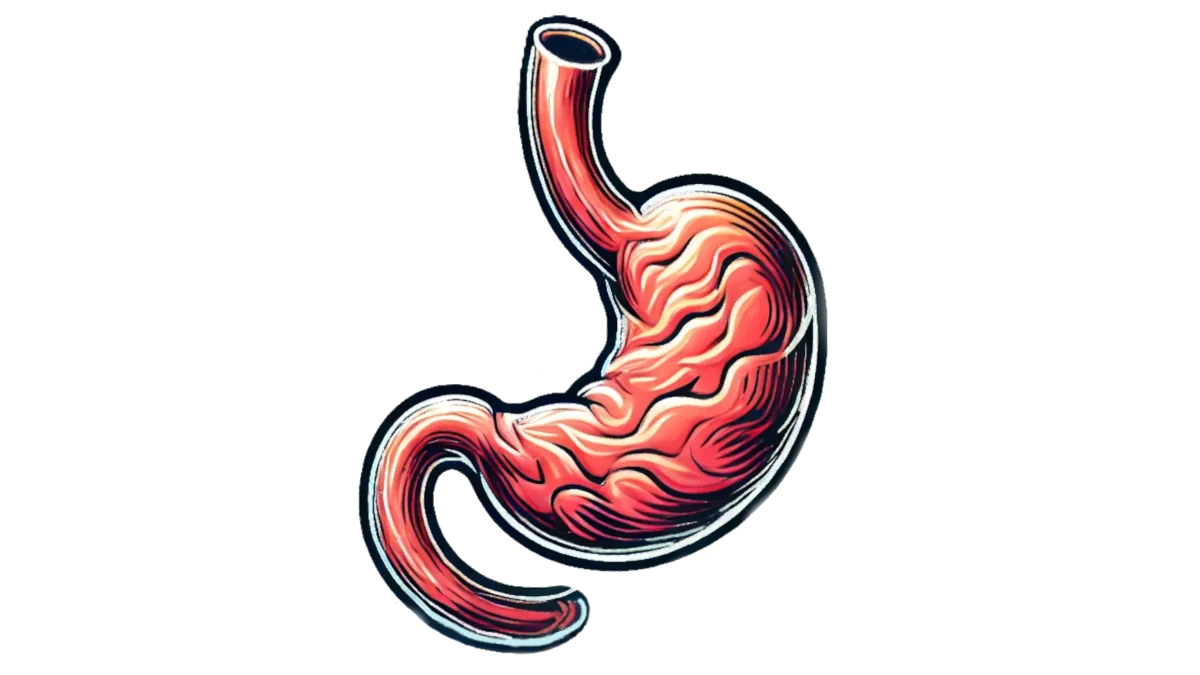
MAKE YOUR DIGESTION EASIER
It's called the second brain : your digestive system directly impacts your energy, mood, concentration, and even your immunity.
Optimizing your digestion lays the foundation for a high-performing body and an alert mind.
THE IMPORTANCE OF GOOD DIGESTION
"We are not what we eat, but what we digest."
Role
Digestion plays a central role in your health and fitness. It directly influences several essential systems in your body, beyond just the digestive tract:
Efficient digestion allows your body to fully absorb the vitamins, minerals, proteins and good fats essential for its proper functioning.
Over 70% of immune cells are located in the gut. A healthy digestive system is therefore your first line of natural defense.
The liver, gallbladder, and intestines work together to eliminate what your body doesn't want to keep. If digestion is slow or disrupted, this waste can accumulate .
Thanks to the gut-brain axis , your digestion influences your mood, mental clarity, and motivation. An irritable gut often leads to a foggy mind.
If what you eat is well absorbed → your body is nourished and protected → it eliminates better → your brain functions better.
Results : greater clarity, greater motivation, fewer mood swings.
Impact
Optimal digestion therefore brings concrete benefits to your everyday life:
By better assimilating nutrients, your body's cells are better nourished, your muscles recover faster, and your immune system is more responsive.
When your digestion is working properly, you have more energy, a clearer mind, and a better ability to concentrate and stay motivated.
By limiting inflammation and facilitating the elimination of waste, a balanced digestive system reduces bloating, promotes clearer skin, and supports hormonal balance.
CAUSES OF POOR DIGESTION
Certain habits in your daily life will greatly impact your digestion and the balance of your gut microbiota:
Eating too quickly or not chewing enough overloads the stomach and disrupts digestion from the very beginning.
A diet too rich in sugars, processed products, low in fiber or unbalanced in omega-3 is bad for your digestion.
Furthermore, eating too often, without leaving a break between meals, prevents your digestive system from regenerating properly.
When night falls, the body prepares for rest. Eating too late disrupts this natural rhythm, slows digestion, and impairs the quality of your sleep.
Staying well hydrated throughout the day supports the production of digestive juices, facilitates transit and helps eliminate waste.
But be careful not to drink large quantities of water during meals: this can dilute the enzymes that facilitate digestion.
TIPS FOR BETTER DIGESTION
-
Eat slowly: chewing each bite thoroughly helps relieve stomach upset while improving nutrient absorption.
- Diet: eat a balanced diet, opt for fiber and fermented products to facilitate digestion.
- Avoid snacking: leave several hours between meals (4-5 hours) to allow your digestive system to rest and function better.
- Evening meal: opt for a light meal eaten early enough (3-4 hours before bedtime) so as not to disturb your sleep or slow down nighttime digestion.
- Stay hydrated: outside of mealtimes it is important to be well hydrated to facilitate the production of saliva and bile.
- Digestive walk: a short walk of 10 to 15 minutes helps to activate transit, avoid heaviness and supports circulation.
BIOPOTIMIZE YOUR DIGESTION
Functional digestion is good. Bi-optimized digestion is better .
When your digestive system is in top condition, you recover faster, your energy is continuous, and your motivation is at its highest.
Plants and supplements will allow you to go further in your approach by strengthening your microbiota and vitality.
Digestive plants
FAQ
Frequently asked questions
A quality diet is not enough if digestion is disrupted . Eating too quickly, being stressed, snacking without breaks, or having an unbalanced gut microbiota can make digestion difficult, even with healthy foods.
Tips for better digestion
Bloating, heaviness after meals, gas, post-meal fatigue, irregular bowel movements, or nausea are common symptoms. In the long term, this can also lead to poor nutrient absorption.
Peppermint , chicory , ginger, lemon balm , and rosemary are known to stimulate digestive juices, soothe bloating, and relieve intestinal spasms. They can be consumed as an infusion or as a supplement .
Digestive plants
Yes, fasting (or spacing out meals) allows your digestive system to rest and promotes better intestinal cleansing. This can relieve mild digestive issues and improve intestinal comfort.
Not always. They can help in cases of gut microbiota imbalance, but their effectiveness depends on the strain, the dosage, and your individual profile. A diet rich in fiber and natural ferments remains the foundation.
Ultra-processed foods, excessive sugar, fried foods, and overly large meals should be limited. They make digestion difficult, disrupt the gut microbiota, and contribute to discomfort such as bloating.
The causes of poor digestion